Understand the pattern
The first task is to understand what keeps happening before, during and after the addictive behaviour.

Vaping often becomes woven into ordinary moments: driving, work breaks, stress, social situations and boredom. Nicotine dependence can make stopping difficult even when the person genuinely wants to quit. Families looking for a best rehabilitation centre in Mumbai can also review our main overview of the residential programme, facilities and admission process.
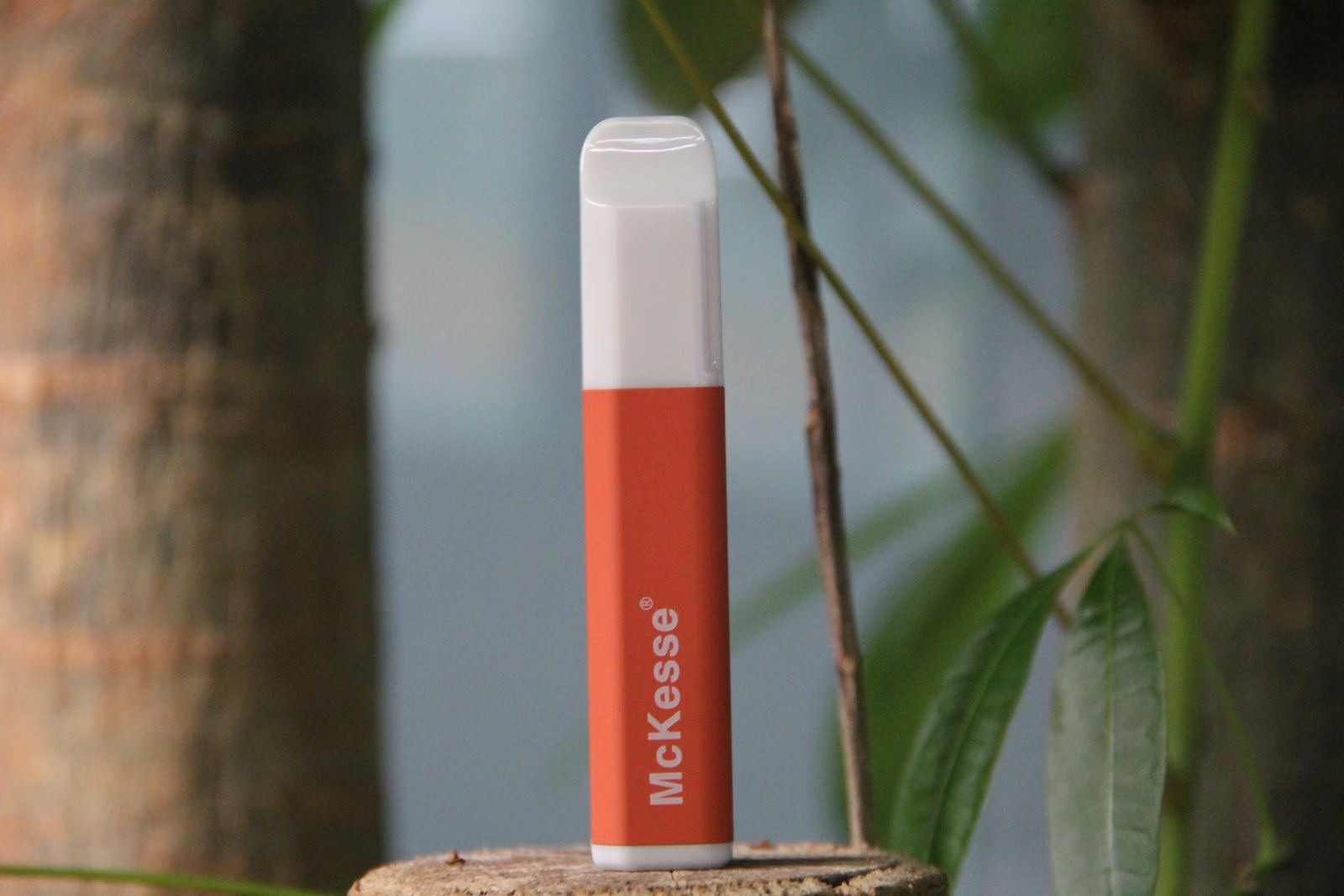
Vaping often becomes woven into ordinary moments: driving, work breaks, stress, social situations and boredom. Nicotine dependence can make stopping difficult even when the person genuinely wants to quit.
Families do not always know the exact diagnosis, substance or reason the behaviour keeps returning. What they usually know is what has changed: sleep, work, money, relationships, self-care, trust or the amount of time the household spends responding to the latest incident.
Treatment looks at nicotine dependence as well as the routines that cue vaping, helping the person plan for urges instead of relying on willpower alone.
The first task is to understand what keeps happening before, during and after the addictive behaviour.
Residential care creates time away from familiar cues and gives treatment a regular place in the day.
Boundaries, money, communication and trust may all need attention before the person returns home.
Recovery planning focuses on the real situations that will return after discharge, not only on staying away from the behaviour inside the centre.
Nicotine dependence is treatable. People with significant medical symptoms, pregnancy, severe breathing concerns or other health conditions should discuss quitting and treatment options with an appropriate health professional.
Residential treatment offers structure, but the outside world eventually comes back. Work pressure, money, relationships, old friends, easy access, difficult emotions and periods of low motivation can all reappear.
Before discharge, the person and family should understand the situations most likely to create difficulty. A useful plan is specific: what warning signs matter, what boundaries need to exist, who should be contacted, what continuing treatment is needed and what should happen if symptoms or addictive behaviour begin returning.
The True Humaniversity Foundation centre is located at Yeoor Hills, Thane. Residents stay in a fully air-conditioned setting, with attention to food, nutrition, routine and family reassurance.
Survey No. 7, Ashram Road, Bendipada, Yeoor Hills, Thane West, Thane, Maharashtra 400701Unlike a cigarette, a vape may be used for a few seconds at a time throughout the day—in the car, at a desk, between classes or in bed. That pattern can make the person underestimate how often nicotine is being used.
Craving may be linked to the nicotine itself, while automatic hand-to-mouth use and constant device access maintain the habit. Both parts need a plan.
For most people, outpatient nicotine-cessation support is appropriate. Residential care is considered only when vaping sits inside a broader addiction or behavioural-health problem that already warrants that level of structure.
Driving, studying, gaming, alcohol, stress and socialising can all become paired with vaping. Removing the device without replacing those routines can leave repeated high-risk moments throughout the day.
Rules about buying devices, money, bedroom use and school should be clear and predictable. Constant searches and confrontation can increase secrecy without improving self-control.
Families contact True Humaniversity Foundation from Mumbai’s western suburbs, Thane, Navi Mumbai, Panvel and Kalyan-Dombivli for information about residential rehabilitation, admission and continuing recovery support.
Often yes. Many vaping products deliver nicotine, and dependence can develop around both the substance and the repeated device routine.
Usually not. Most people should start with outpatient cessation support. Residential care is relevant when there is a wider problem that genuinely needs residential structure.
Small uses can happen many times a day, which keeps nicotine and the habit closely tied to everyday routines.
Start with calm assessment of frequency, nicotine exposure, access and triggers. Set clear boundaries and seek professional cessation support if repeated attempts to stop fail.
Usually not. Many people can quit with outpatient counselling, behavioural support and evidence-based cessation treatment. Residential care should be considered only when the wider clinical situation genuinely requires that level of structure.
Yes, proven cessation treatments exist. A doctor or other qualified health professional can help choose an appropriate option based on the person’s health and circumstances.
Nicotine dependence is tied to cues and routines as well as withdrawal. Driving, tea or coffee, stress, alcohol, work breaks and social settings can continue to trigger urges after the first physical withdrawal period.
You do not need to know the right treatment term before calling. Explain the pattern, what has changed and what worries the family most.