Rehabilitation Centre in Mumbai for Addiction & Mental Health Recovery
True Humaniversity Foundation is a residential rehab centre in Mumbai supporting people affected by alcohol addiction, drug addiction, behavioural addictions and selected mental health conditions. The programme combines structured daily living, experienced counselling, family involvement, food and nutrition, and preparation for life after residential care.
Established 2011Fully air-conditionedFood & nutrition24/7 authorised webcam access
Since 2011Residential rehabilitation experience
Yeoor Hills, ThaneA quieter residential setting
Experienced counsellorsRecovery work beyond advice alone
Family reassuranceAuthorised webcam access to common areas
About the Foundation
A residential setting built around routine, dignity and practical recovery work
Families usually arrive after trying many things at home. There may have been promises to stop, arguments about money, nights spent waiting for someone to return, repeated attempts to control access, or a growing sense that the household is being organised around the problem.
Residential rehabilitation changes the setting for a period. It gives the person distance from familiar cues and gives treatment a regular place in the day. Counselling, meals, sleep, physical activity, family communication and recovery planning are no longer squeezed into an unstable routine.
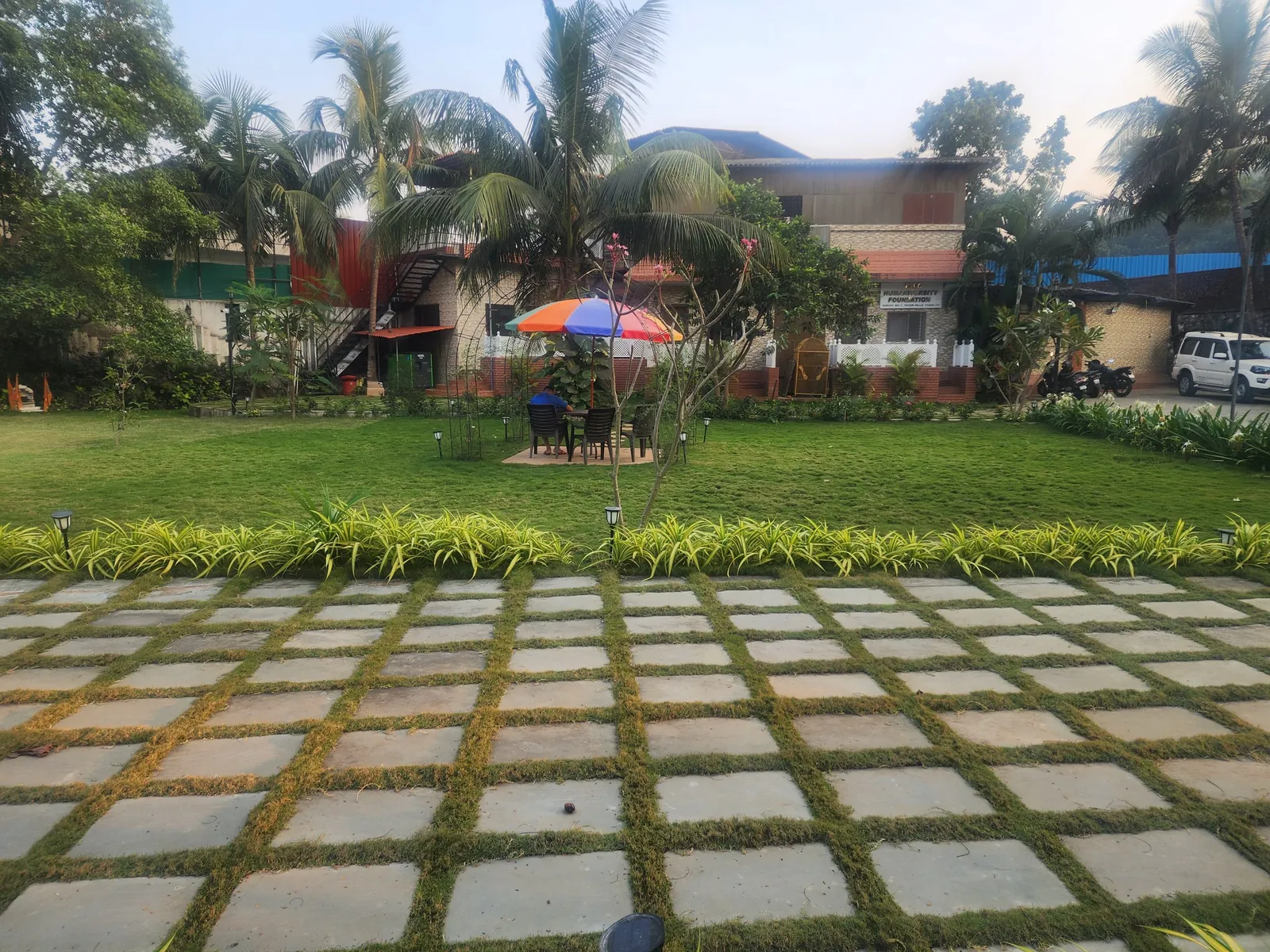
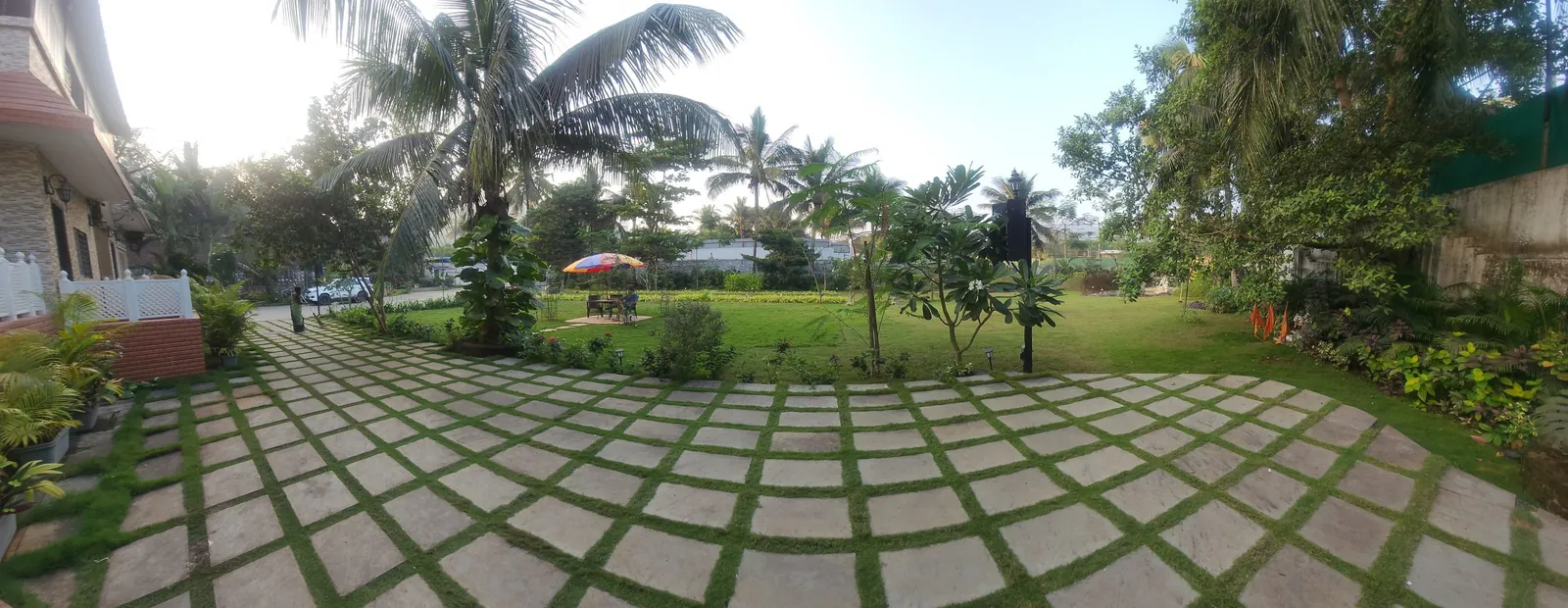
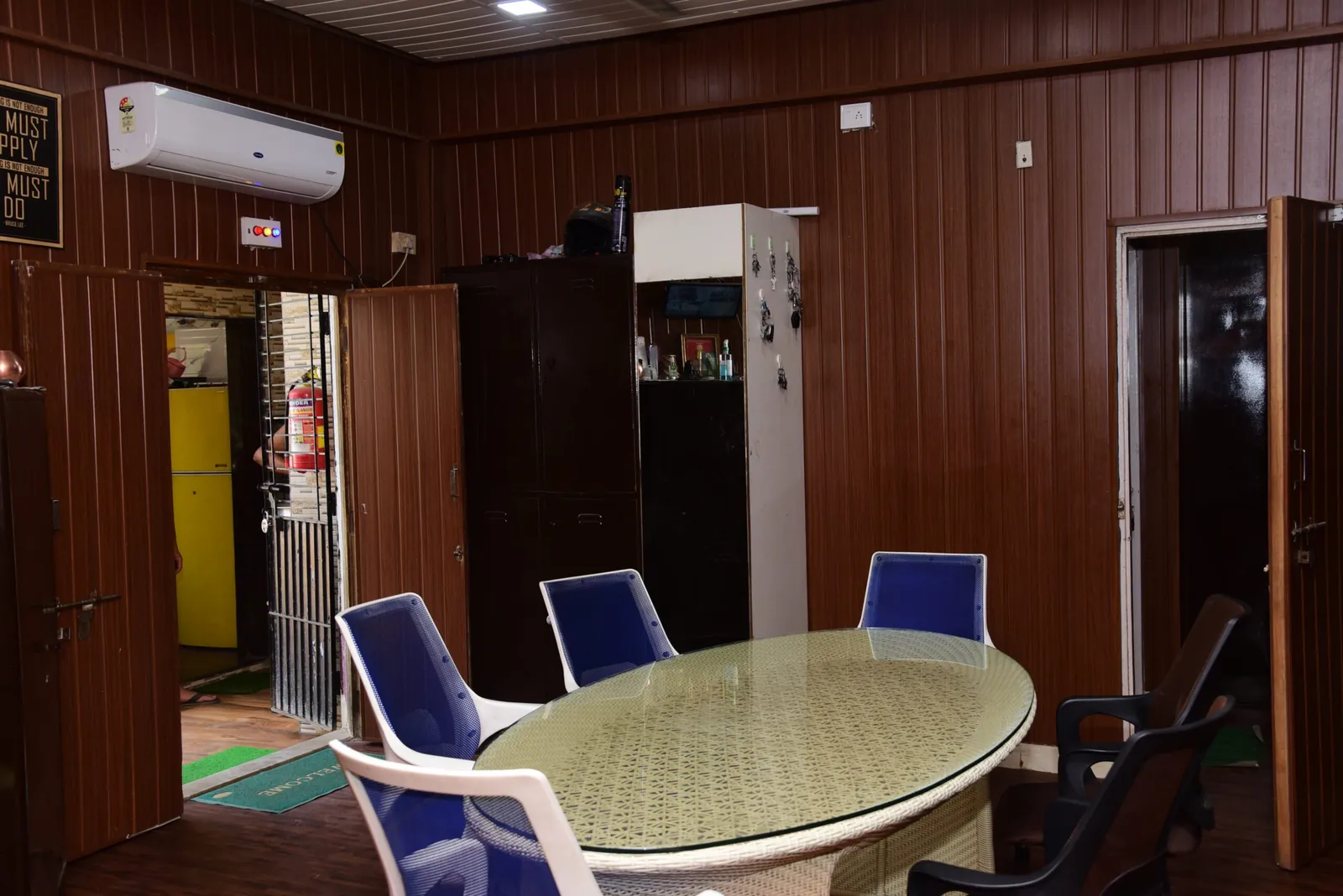
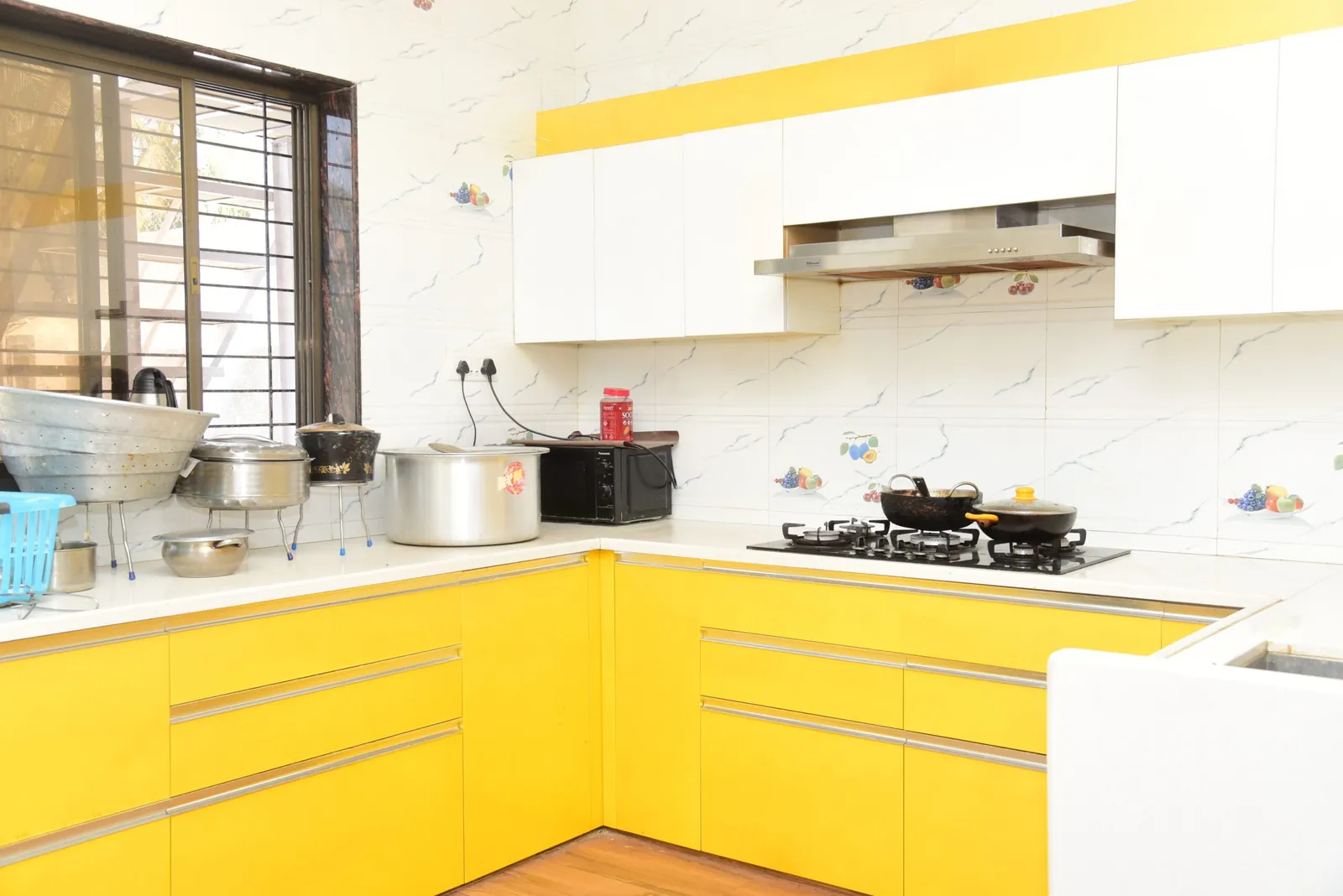
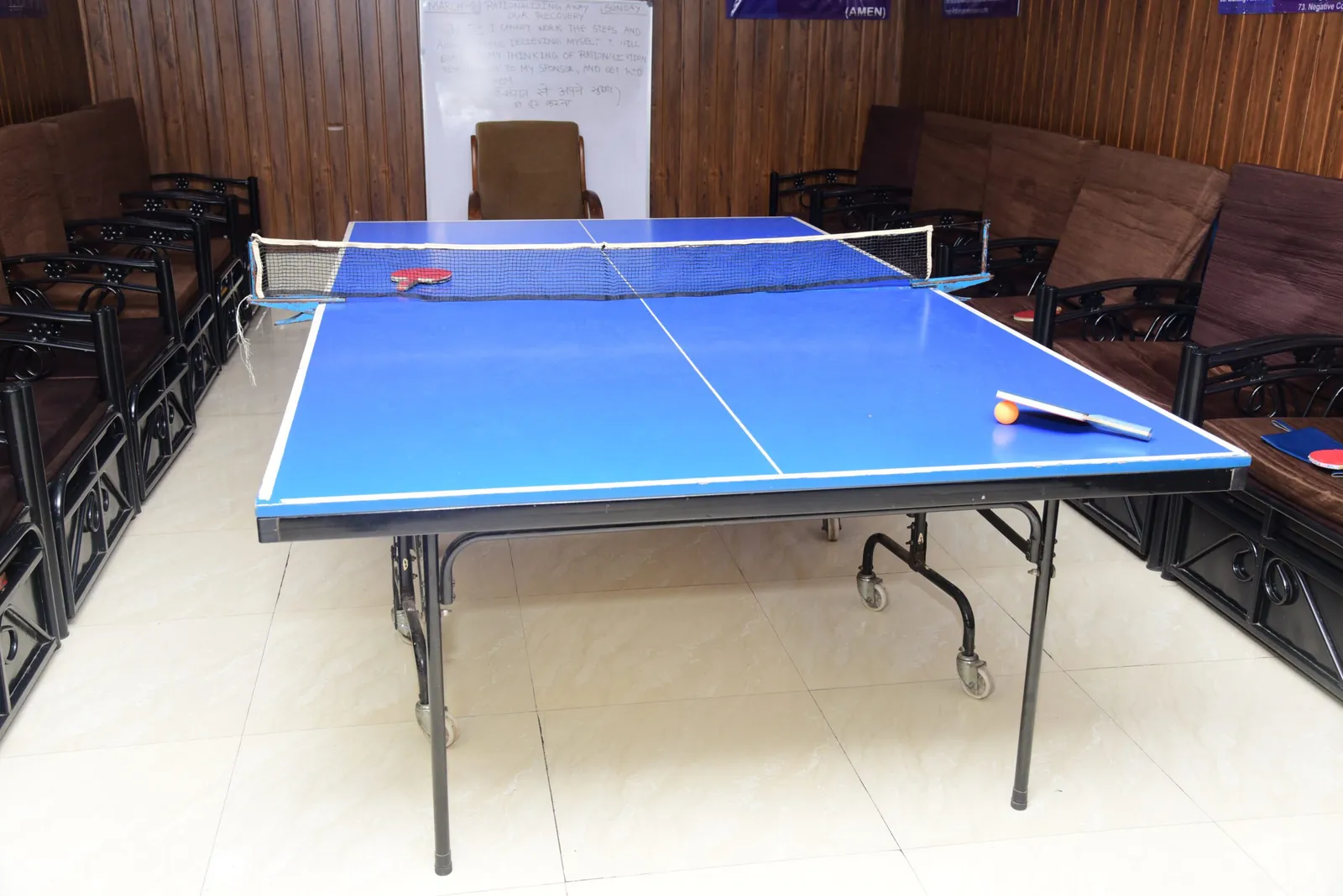
True Humaniversity Foundation has provided residential rehabilitation support since 2011. The centre at Yeoor Hills, Thane is fully air-conditioned and surrounded by greenery. Food and nutrition receive particular attention, and authorised family members can have 24/7 webcam access to designated common areas while private spaces remain protected.
Residential rehabilitation is not one profession doing everything. Recovery counselling, family work and daily structure sit alongside appropriate psychiatric, medical and psychosocial input when a resident’s needs require it.
AA
Dr. Adita Agarwal
M.D. Psychiatrist
Provides psychiatric input within the wider care pathway when mental-health symptoms, co-occurring psychiatric concerns or medication-related decisions require specialist assessment. Acute psychiatric emergencies may require hospital-based care before or alongside residential rehabilitation.
MD
Dr. Manish Dodhmani
Gastroenterology
Provides gastroenterology-related medical input where digestive, liver or gastrointestinal concerns need specialist attention within or alongside the recovery pathway. Medical decisions are based on the individual clinical situation.
TP
Dr. Tushar Patil
General Physician
Supports general medical assessment and coordination when physical-health concerns need evaluation before or during residential care, including situations where a higher level of medical care may be more appropriate.
PV
Ms. Priyanka Vijay Pethe
RGNM, PB BSc Nursing, PGDHMHC, ICN · Psychiatric Social Worker
Supports psychosocial understanding, family communication, recovery planning and continuity of care within the multidisciplinary programme. Her listed qualifications include RGNM, PB BSc Nursing, PGDHMHC and ICN.
The relevant regulatory, quality-management, municipal and fire-safety credentials are shown here in text. Certificate images are not displayed on the website.
Mental health establishment registration
True Humaniversity Foundation is registered as a mental health establishment under the Mental Healthcare Act, 2017 through the Maharashtra State Mental Health Authority. The Foundation maintains the applicable current renewal/registration records.
ISO 9001:2015
The Foundation holds ISO 9001:2015 Quality Management System certification for the scope “Provision of de-addiction and mental health treatment center”. Certificate number: 305024122029Q.
Municipal licence
The Yeoor Hills establishment maintains the applicable Thane Municipal Corporation licence for its de-addiction/counselling establishment, with renewals maintained as required.
Fire & life safety
Fire prevention and life-safety systems are installed and periodically inspected/maintained through a licensed fire-protection agency in accordance with the Maharashtra Fire Prevention and Life Safety Measures Act, 2006. Site records include fire-alarm, smoke-detection, call-point/hooter and fire-extinguisher provisions.
If you are comparing a rehabilitation centre in Mumbai, first work out what your family actually needs
Most families do not begin with a neat diagnosis or a treatment plan. They begin with a repeated problem: alcohol or drug use that is getting harder to control, promises that last only a few days, money or work problems, conflict at home, changes in sleep or behaviour, or a relapse after earlier treatment. That is why choosing a rehab centre in Mumbai should start with the person’s current risk, functioning and support needs rather than with a label such as “best rehab”.
Alcohol or drug use is no longer staying contained
The problem may be affecting health, attendance at work, finances, driving, relationships or basic daily routine. A residential setting can sometimes help by reducing immediate access to familiar triggers and giving the person a structured day in which recovery work is harder to avoid.
Stopping at home has become a repeating cycle
Families often describe the same pattern: a determined stop, a short period of improvement, then a return to use. Repetition does not automatically mean residential care is required, but it is a reason to reassess what is maintaining the cycle and whether outpatient support has been enough.
Mental health symptoms are complicating recovery
Anxiety, depression, trauma symptoms, mood changes, psychosis or other psychiatric concerns can alter the level and type of care required. Residential rehabilitation can provide structure, but diagnosis, medication decisions and acute psychiatric treatment require appropriately qualified professionals.
The family is exhausted or no longer feels able to manage safely
By the time relatives search for a rehabilitation centre near them, the household may already be organised around monitoring, arguing, rescuing, lending money, hiding the problem or trying to prevent the next crisis. Family strain is clinically relevant information and should be part of the first assessment, not treated as an afterthought.
A useful first question: “What is happening now that makes home or the present treatment plan insufficient?” The answer is usually more important than whether a website calls itself a rehabilitation centre, de-addiction centre, drug rehab or alcohol rehab.
When residential care may fit
Residential rehabilitation may be worth discussing when structure has become part of the treatment need
Residential treatment is not simply outpatient counselling with a bed added. Its practical value is the change in environment: the person steps away from the same access, routines, people, places and unstructured hours that may have become tightly linked with alcohol, drugs or compulsive behaviour. The day can then be organised around sleep, meals, counselling, reflection, physical activity, responsibilities and recovery planning.
That level of structure may be useful when there have been repeated unsuccessful attempts to stop, rapid return to use after detoxification, frequent exposure to triggers at home, major deterioration in work or relationships, poor adherence to outpatient appointments, or a family system that has become too unstable to support early recovery. It can also be considered when a person needs time away from an environment in which substance use is normalised or easily available.
None of those points is a diagnosis. They are reasons to have a more careful conversation about level of care. A person who is medically stable, functioning reasonably well, motivated for change and supported by a safe home may be able to engage effectively in outpatient treatment. Conversely, someone with dangerous withdrawal, severe medical illness, suicidal risk, acute psychosis, severe mania, significant confusion or violent behaviour may need hospital or emergency psychiatric care before a rehabilitation programme is appropriate.
Contact True Humaniversity Foundation
Speak with us before you make a decision
Families comparing rehabs in Mumbai often need practical answers first: where the centre is, who to call, what to share about the current situation and whether residential care may be appropriate.
Explore residential treatment for alcohol addiction, drug addiction and behavioural addictions. Each service page focuses on the concern itself, safety considerations, family involvement and what residential rehabilitation may involve.
Alcohol Addiction
Alcohol dependence can affect sleep, mood, relationships, work and physical health long before the situation looks severe from the outside.
Drug dependence varies by substance, pattern of use and health risks, so assessment should consider withdrawal, mental health, relapse history and daily functioning.
Gaming becomes a treatment concern when it repeatedly pushes sleep, studies, work, relationships, exercise or basic self-care out of the person’s routine.
Smoking often becomes closely linked with routines, stress and social cues, which can make stopping difficult even when the health risks are already understood.
Problematic internet use can displace sleep, studies, work, relationships and responsibilities when online activity becomes difficult to control despite consequences.
Social media can become difficult to control when checking, scrolling, posting or reassurance-seeking repeatedly interrupts concentration, sleep and face-to-face relationships.
Phone use may become a treatment concern when constant checking, notifications, late-night use and screen habits repeatedly interfere with sleep, focus and relationships.
Pornography use may become a treatment concern when it feels increasingly difficult to control and begins affecting relationships, sleep, work, sexual wellbeing or responsibilities.
Alcohol, drug and de-addiction concerns lead to different treatment questions
The homepage explains residential rehabilitation as a whole. The specialist pages below go deeper into the questions families face with alcohol, drugs and de-addiction, so you can read the information that matches the problem actually happening at home.
Alcohol dependence
Withdrawal safety, drinking patterns, relapse triggers and continuing care need alcohol-specific discussion.
Gambling and gaming disorders, and problematic digital or sexual behaviours, need their own assessment rather than being treated as if they were substances.
Residential rehab, outpatient treatment or hospital care? The safest answer depends on the person, not the marketing label
A common mistake is to ask which type of treatment is “strongest”. The better question is which setting matches the person’s current risk and ability to engage. More intensive care is not automatically better care; less intensive care is not automatically inadequate.
Residential rehabilitation may be considered when
Daily structure, distance from triggers, repeated relapse, poor adherence to outpatient treatment, a destabilising home environment or substantial functional decline make it difficult to build early recovery while staying in the usual environment.
Outpatient care may be suitable when
The person is medically and psychiatrically stable, has a reasonably safe and supportive home, can attend reliably, and can practise recovery changes while continuing work, study or family responsibilities. The treating clinician should decide the appropriate intensity.
Hospital or emergency care may need to come first when
There is severe withdrawal risk, overdose, significant medical instability, suicidal intent, acute psychosis, severe mania, delirium, uncontrolled aggression or another urgent condition requiring medical or psychiatric monitoring that a rehabilitation facility cannot safely provide.
Continuing care may be needed after residential treatment
Discharge is not the end of treatment. Ongoing counselling, psychiatric or medical follow-up, family boundaries, relapse-prevention planning and a structured return to work or study may help protect progress made during residential care.
Families often move between these levels over time. Someone may require medical stabilisation first, residential rehabilitation next, and then outpatient counselling or psychiatric follow-up after discharge. Thinking in terms of a continuum of care is more realistic than expecting one admission to solve every part of a long-standing problem. Our guide to inpatient versus outpatient rehabilitation explains the comparison in more detail.
Mental Health Rehabilitation
Residential support when mental health symptoms are affecting everyday functioning
Some mental health conditions need psychiatric or hospital care during acute episodes. Residential rehabilitation can have a different role: rebuilding routine, psychosocial functioning, family understanding and continuity of care once the person is clinically suitable for that setting.
Schizophrenia
Residential support may help rebuild routine and functioning after acute symptoms are clinically stabilised and the person is suitable for a rehabilitation setting.
Residential support may help with routine, sleep, psychosocial functioning and continuity of care once acute mania, severe depression or crisis needs are appropriately stabilised.
Structured residential support may be considered when symptoms seriously disrupt daily functioning and the person is clinically appropriate for a rehabilitation programme.
Residential support may help restore routine and day-to-day functioning when depression is persistent, but urgent suicidal risk requires immediate psychiatric or hospital care.
A structured setting may support routine, coping work and functioning when anxiety has become highly disruptive and the person does not require emergency psychiatric care.
Trauma-related symptoms need careful assessment. Residential support may focus on stability, routine and functioning when the person is suitable for this level of care.
Residential support may have a role after acute psychotic or mood symptoms are stabilised, with psychiatric follow-up remaining important for ongoing treatment decisions.
Structured support may help with routine, relationships and coping when symptoms are affecting daily life, while crisis or self-harm risk needs appropriate clinical assessment.
Acute psychosis can require urgent psychiatric treatment. Rehabilitation may support routine and recovery only after the person is clinically stable enough for this setting.
When substance use and mental-health concerns occur together, care planning needs to address both rather than treating one problem while overlooking the other.
Mental-health rehabilitation focuses on functioning, routine, family understanding and continuity of care when residential support is suitable for the person’s current needs.
A clear process, without making unrealistic promises
Treatment should make it easier to understand what is happening, what keeps the problem going and what needs to change outside the centre.
01
Understand the current situation
Substance use, behaviour, mental health symptoms, previous treatment, family concerns and current risks are discussed before the plan is shaped.
02
Restore daily structure
Regular sleep, meals, counselling and planned activity begin replacing the unpredictability that often surrounds addiction or severe mental health symptoms.
03
Work on patterns, not only incidents
Counselling looks at triggers, thoughts, emotional responses, relationships and the situations in which control tends to weaken.
04
Involve the family appropriately
Families may need clearer boundaries, better communication and a realistic plan for what happens after discharge.
05
Plan for the outside world
Money, friends, work, stress, medication and old routines return. Recovery planning needs to address those realities directly.
06
Continue support where needed
Some residents benefit from counselling, psychiatric follow-up or other continuing care after the residential phase ends.
What the family is actually signing up for
A serious rehabilitation programme should make the process understandable before asking a family to trust it
For many relatives, admission is the first time they have handed day-to-day responsibility to somebody outside the family. That can bring relief, guilt, fear and uncertainty at the same time. Families deserve practical information about what happens next—not only promises that the person will “change”.
01
The first conversation
We need the unpolished version of what has been happening: current use, previous treatment, medical and psychiatric concerns, medications, behaviour at home, recent crises and what the family has already tried. That helps identify whether a residential discussion is appropriate and whether another level of care should come first.
02
Arrival and the early days
The first days are not simply about “motivation”. Sleep, food, anxiety, irritability, cravings, shame, resistance and uncertainty can all affect how a person settles. A predictable routine can reduce some of that chaos while the team observes functioning and begins to understand the pattern behind the admission.
03
Daily recovery work
Residential care creates time and structure, but time alone is not treatment. The useful work is in identifying triggers, thinking patterns, behaviours, relationship dynamics, avoidance, coping methods and the practical changes required after discharge. Counselling and group work should connect to real-life situations rather than remain abstract.
04
Family boundaries and communication
Relatives may need help changing their own part of the cycle—for example, repeatedly covering debts, supplying money without limits, making threats that are never followed through, or trying to police every movement. Family involvement is not about blaming relatives; it is about creating a home environment that does not accidentally undermine recovery.
05
Discharge starts before the last day
Returning home is where treatment is tested. Work, phones, money, friends, relationship stress and familiar routes all return. Discharge planning should therefore cover follow-up appointments, medication where prescribed by a qualified clinician, warning signs, family responses, daily routine and what to do if a lapse occurs.
Our residential setting includes authorised family viewing of designated common areas through the stated webcam arrangement, while private and counselling spaces remain private. This is intended as a transparency measure, not as continuous surveillance of personal treatment conversations. Families can also review the separate pages on admissions, family support, treatment methodology and relapse prevention and aftercare.
Family Involvement
Families need clear information, not more uncertainty
Admission can bring relief and anxiety at the same time. Families who have spent months checking where someone is, whether they are drinking or using again, or whether another crisis is about to happen do not stop worrying overnight.
Authorised webcam access to designated common areas gives families a way to remain reassured about the environment without turning treatment into surveillance. Family work also looks at boundaries, money, communication, trust and what support should look like after discharge.
Family support may include:
Admission guidance
Clear communication
Boundary planning
Discharge preparation
Webcam reassurance
Relapse-warning awareness
Admissions
You can start by telling us what has been happening
You do not need to know the right clinical term before making the first call. Tell us what has changed, what has already been tried, what the person is using or experiencing, and what worries the family most.
Where alcohol, drugs, medication dependence, severe mood symptoms or psychosis may be involved, current health and safety information matters. Some people need medical or psychiatric stabilisation before residential rehabilitation is appropriate.
Near Mumbai matters, but the nearest rehabilitation centre is not automatically the right one
Our residential facility is at Yeoor Hills, Thane West, within the Mumbai Metropolitan Region. That makes the location practical for many families travelling from Mumbai, Thane, Navi Mumbai, Kalyan, Dombivli and surrounding areas, while still providing a setting away from the person’s everyday routine.
When someone searches “rehab near me”, distance is usually only one concern. Families also need to compare whether the centre is transparent about the setting, who is appropriate for admission, how withdrawal and psychiatric risks are handled, whether family involvement is possible, what privacy looks like, and how continuing care is planned. A centre twenty minutes closer is not necessarily the safer or better match.
If frequent family contact is important, ask how communication works before admission. If the person has ongoing medical or psychiatric treatment, ask how continuity with the relevant clinician will be managed. If the person is travelling from outside the Mumbai region, discuss current health and travel safety first—especially when recent substance use or withdrawal is involved.
Addiction is common enough to deserve evidence-based care, and serious enough to avoid unsafe shortcuts
India’s 2019 national substance-use survey, commissioned by the Ministry of Social Justice and Empowerment and conducted with the National Drug Dependence Treatment Centre at AIIMS, estimated current alcohol use among 14.6% of people aged 10–75, cannabis use among 2.8%, and opioid use among 2.1%. These are national estimates, not Mumbai-specific figures, but they show why addiction services need to be treated as a health and social-care issue rather than a moral judgement.
The same principle applies to level of care. The National Drug Dependence Treatment Centre at AIIMS describes a multidisciplinary model that includes outpatient, inpatient and community services. Rehabilitation is therefore one part of a broader treatment pathway; a person may need different services at different stages.
Withdrawal and psychiatric emergencies need the right setting
Severe alcohol or sedative withdrawal can become medically dangerous. Acute psychosis, suicidal intent, severe mania, overdose, delirium, serious medical instability or uncontrolled violent behaviour can also require urgent hospital or specialist psychiatric care. The World Health Organization guidance on withdrawal management supports a higher level of clinical care when severe withdrawal or serious physical or psychiatric complications are likely. If an emergency is happening now, use local emergency medical services or an appropriate hospital rather than relying on a website enquiry.
Sources used for the health information on this page
Ministry of Social Justice & Empowerment / NDDTC-AIIMS — Magnitude of Substance Use in India (2019)
AIIMS — National Drug Dependence Treatment Centre
World Health Organization — clinical guidance relevant to substance withdrawal management
Statistics and clinical guidance are cited for context. They do not diagnose an individual or determine whether residential admission is appropriate.
How this page is maintained
Experience is useful only when the limits of that experience are stated clearly
True Humaniversity Foundation states that it has provided residential rehabilitation support since 2011. The practical information on this page is written and maintained from that residential-care perspective and is intended to help families ask better questions before making a treatment decision.
Health and safety statements are cross-checked against authoritative public-health and clinical sources such as Government of India, AIIMS and WHO material. We do not use a named “medical reviewer” unless that person has genuinely reviewed the content and their credentials can be shown transparently. We also do not claim a guaranteed recovery rate, guaranteed ranking among centres, or a universal length of stay because those claims would oversimplify individual treatment outcomes.
This page does not replace assessment by a doctor, psychiatrist or other appropriately qualified health professional. Residential rehabilitation may work alongside medical and psychiatric care where needed. If a person’s immediate condition appears unsafe for a rehabilitation setting, the safer recommendation is to seek the level of care the situation requires.
Page last substantially reviewed and updated2 October 2026Content responsibilityTrue Humaniversity FoundationPrimary purposeHelp families understand residential rehabilitation, safety limits and how to compare care.Evidence baseGovernment of India, NDDTC-AIIMS, WHO and other authoritative sources cited where health or safety information is discussed.How information is checkedHealth and safety statements are cross-checked against recognised public-health or clinical guidance. Operational information is reviewed against the Foundation’s current services and published policies.Medical scopeThis page provides general information. It does not diagnose a person, replace an individual medical or psychiatric assessment, or guarantee that residential admission is appropriate.When this page is updatedMaterial changes to services, safety information, regulatory details or important source guidance are reviewed and reflected when relevant.
Questions families commonly ask
Practical questions before choosing rehabilitation in Mumbai
Which rehabilitation centre in Mumbai is near me?
Distance is useful, but suitability, safety, the treatment approach, family communication and aftercare matter more than choosing only by proximity.
What is the difference between a rehab centre, de-addiction centre and nasha mukti kendra?
Families often use these phrases for overlapping services. The important difference is not the label but what problem is being treated, whether withdrawal or psychiatric care is needed, what the residential programme actually provides and how continuing care is planned.
Are alcohol and drug problems treated in exactly the same way?
No. Alcohol, opioids, stimulants, sedatives, cannabis and other substances can have different withdrawal, medical and relapse concerns. Treatment planning should reflect the actual substance and the person’s situation.
How much does rehabilitation cost?
Cost depends on the programme, accommodation and the care required. A family should ask what is included rather than comparing only one headline number. Medical, psychiatric or hospital services outside the residential programme may be separate.
How long should someone stay in rehab?
There is no universal duration. The severity and duration of the problem, previous treatment, progress, home environment and continuing-care plan all matter.
Can Pune families speak with THF before deciding on residential treatment?
Yes. Families in Pune can first discuss the current problem, safety concerns, previous treatment, residential suitability, family communication and practical arrangements before making a decision.
Do you have an address in Malad?
Yes. Our Malad East address is listed on the Contact page. You can call either of our enquiry numbers before visiting.
Can a family call before the person agrees to treatment?
Yes. Families can first describe what is happening and understand options and safety concerns. That conversation does not by itself establish that residential admission is appropriate or legally permissible; the individual situation still needs proper assessment.
Mumbai & Thane locations
Our Thane and Mumbai locations
Our Mumbai and Thane contact addresses are listed below. For enquiries, you can call either number.
Serving Mumbai families across the western suburbs, Thane and Navi Mumbai
Families contact us from Malad, Kandivali, Borivali, Goregaon and Andheri, as well as Thane, Navi Mumbai, Panvel and Kalyan-Dombivli. They can speak with the same admissions team about suitability, the residential programme and practical arrangements before travelling.
Families from Malad, Kandivali, Borivali, Goregaon, Andheri and nearby western suburbs can speak with the team about suitability, admission and practical arrangements.
Thane & nearby areas
Families from Thane, Yeoor Hills and nearby areas can speak with the team about suitability, admission and practical arrangements before travelling.
Navi Mumbai & Panvel
Families from Navi Mumbai and Panvel can discuss suitability, admission, current safety concerns and practical travel with the same residential team.
Kalyan-Dombivli & nearby areas
Families from Kalyan-Dombivli and nearby areas can call before travelling, particularly when withdrawal, medicines or psychiatric symptoms need to be discussed first.
Before you call
What Mumbai and Pune families often want to know before they call
How do I compare a rehab centre near me with a residential centre elsewhere in Mumbai?
Start with safety, programme fit and what happens after discharge. A nearby address is useful, but it matters less if the programme cannot manage the person’s substance, psychiatric needs or family situation appropriately.
What is the difference between a rehabilitation centre, de-addiction centre and nasha mukti kendra?
People use these phrases differently. Families use these terms differently. The useful distinction is what problem is being treated, whether medical withdrawal or psychiatric care is needed, what the residential programme provides and how continuing care is planned.
Can a Pune family speak with THF before deciding where residential care should happen?
Yes. The first call can cover the current problem, medical or withdrawal concerns, previous treatment, family expectations and practical arrangements before anyone travels.
How long should someone stay in residential rehabilitation?
There is no responsible fixed duration for everyone. Substance, severity, stability, previous relapse, mental health, family environment and progress all affect the plan.
How much does rehabilitation cost?
Cost depends on the setting, accommodation, programme and length of stay. Compare what is actually included—daily structure, counselling, family communication, safety, facilities and aftercare—rather than judging on one headline fee.
Does a licence mean the centre can treat every emergency?
No. True Humaniversity Foundation is registered with the Maharashtra State Mental Health Authority under the mental-health establishment framework, but acute medical withdrawal, severe psychiatric symptoms and emergencies can still require hospital or specialist care.
If the same problem keeps returning, the first step can simply be a conversation
Call True Humaniversity Foundation and describe what has been happening. We can then discuss whether residential rehabilitation may be an appropriate next step.
We use Google Analytics only if you choose to allow analytics. It helps us understand website use; it is not required for enquiries or essential site functions. Privacy Policy