Daily structure
Regular sleep, meals, activity and predictable routines can support stability and day-to-day functioning.

Schizophrenia is a serious mental illness that can affect thinking, perception, motivation, communication and everyday functioning. Families may notice withdrawal from usual life, unusual beliefs, hearing or seeing things others do not, confused behaviour or difficulty maintaining basic routines. Families looking for a rehab in Mumbai can also review our main overview of the residential programme, facilities and admission process.
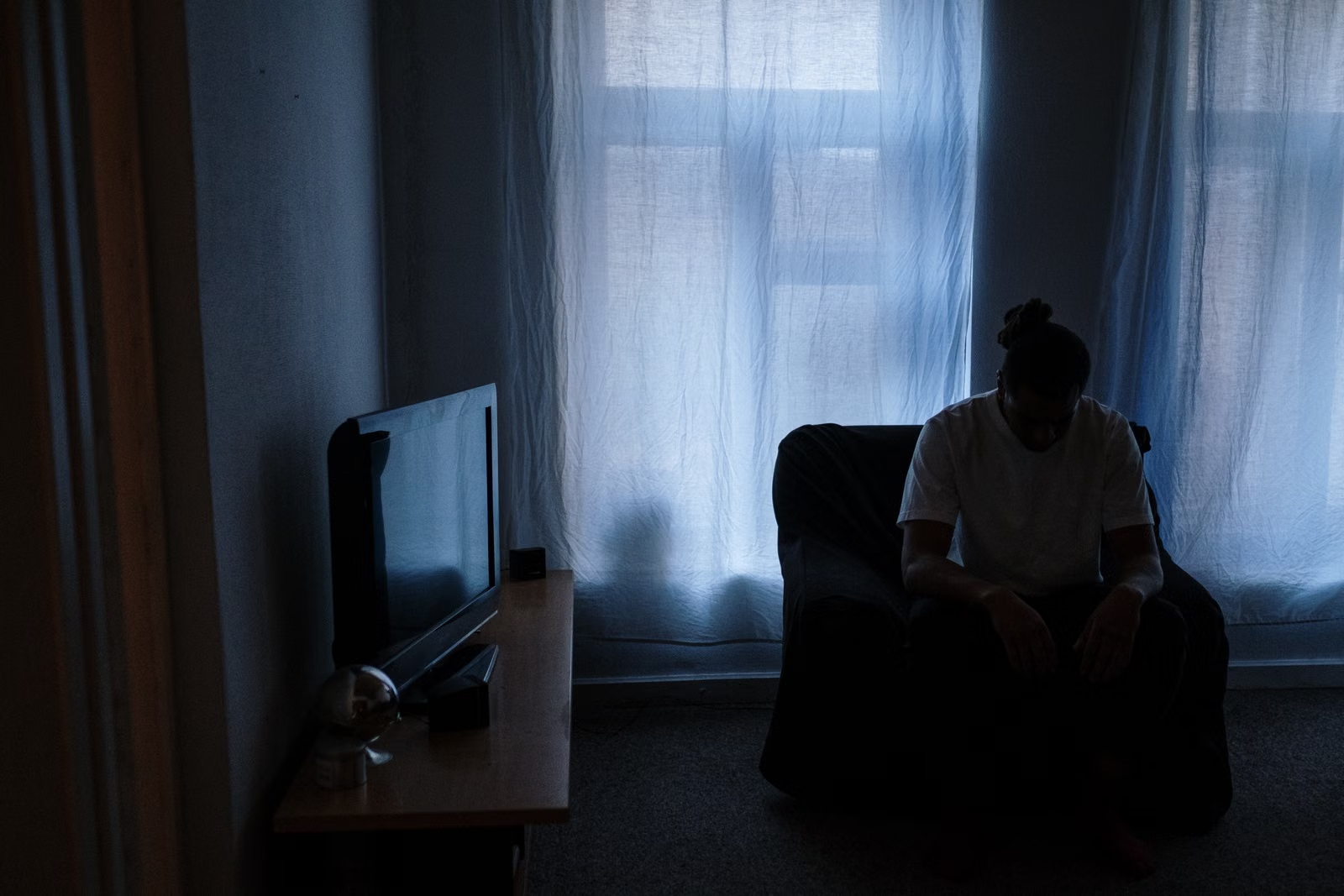
Families across Mumbai, Thane and Navi Mumbai can discuss schizophrenia rehabilitation before making an admission decision. The first questions are current symptoms, medicines, recent crises, psychiatric follow-up, day-to-day functioning and whether a structured residential setting is clinically appropriate.
Safety first: share any suicidal thoughts, severe agitation, psychosis, mania, marked confusion, recent self-harm, medical instability or inability to manage basic needs. Urgent risk may require hospital-based assessment before routine rehabilitation.
Schizophrenia is a serious mental illness that can affect thinking, perception, motivation, communication and everyday functioning. Families may notice withdrawal from usual life, unusual beliefs, hearing or seeing things others do not, confused behaviour or difficulty maintaining basic routines.
Families do not always know the exact diagnosis, substance or reason the behaviour keeps returning. What they usually know is what has changed: sleep, work, money, relationships, self-care, trust or the amount of time the household spends responding to the latest incident.
Residential rehabilitation can support routine, psychosocial recovery, family education and day-to-day functioning when it is clinically appropriate. Psychiatric assessment and medication management remain central parts of care for schizophrenia.
Regular sleep, meals, activity and predictable routines can support stability and day-to-day functioning.
Counselling can help the person understand symptoms, stress, relationships and practical coping strategies.
Where medication is part of treatment, changes should be made only with qualified psychiatric or medical guidance.
Families often need clear information about symptoms, boundaries, warning signs and what support should look like after discharge.
New or worsening psychosis, severe agitation, inability to care for basic needs, dangerous behaviour or immediate safety concerns may require urgent hospital-based psychiatric assessment rather than routine rehabilitation admission.
Residential treatment offers structure, but the outside world eventually comes back. Work pressure, money, relationships, old friends, easy access, difficult emotions and periods of low motivation can all reappear.
Before discharge, the person and family should understand the situations most likely to create difficulty. A useful plan is specific: what warning signs matter, what boundaries need to exist, who should be contacted, what continuing treatment is needed and what should happen if symptoms or addictive behaviour begin returning.
The True Humaniversity Foundation centre is located at Yeoor Hills, Thane. Residents stay in a fully air-conditioned setting, with attention to food, nutrition, routine and family reassurance.
Survey No. 7, Ashram Road, Bendipada, Yeoor Hills, Thane West, Thane, Maharashtra 400701Residential rehabilitation may be considered when schizophrenia is causing substantial disruption to everyday functioning and a person needs more structure than routine outpatient appointments provide. Acute episodes may require hospital care first.
No. Diagnosis, medication management and treatment of acute psychiatric symptoms require appropriately qualified mental health professionals. Residential rehabilitation has a different role in routine, psychosocial recovery and day-to-day functioning.
Yes. Family education, communication and discharge planning can be important, particularly when symptoms have affected trust, routines or the way the household responds to crisis.
Acute psychosis, severe mania, suicidal thinking, dangerous behaviour or inability to care for basic needs may require urgent hospital-based psychiatric assessment rather than routine rehabilitation.
There is no single duration that fits everyone. The condition, current stability, functioning, treatment history and progress all matter.
Medication continuity, psychiatric review, relapse warning signs, sleep, substance use, self-care and family communication all matter. Residential structure may support functioning, but acute psychosis or dangerous behaviour may need hospital-based psychiatric care first.
For Mumbai-region families, the residential setting is at Yeoor Hills, Thane West. Acute psychiatric symptoms may still require hospital or specialist psychiatric care before a rehabilitation stay.
Registered setting: True Humaniversity Foundation is registered with the Maharashtra State Mental Health Authority under the mental-health establishment framework. That regulatory status does not replace psychiatric assessment or hospital care when a person is acutely unsafe or medically unstable.
You do not need to know the right treatment term before calling. Explain the pattern, what has changed and what worries the family most.