
Our Treatment Methodology
True Humaniversity Foundation has provided residential rehabilitation and recovery support since 2011. This page explains the setting, the treatment approach and what families can expect when they enquire. Families looking for a nasha mukti kendra in Mumbai can also review our main overview of the residential programme, facilities and admission process.
Our treatment methodology: assessment, structure and continuing recovery
Treatment planning begins with what is happening now: substance use or symptoms, previous treatment, withdrawal history where relevant, current medicines, family concerns and the effect on everyday functioning.
The purpose is to avoid assuming that every resident needs the same programme.
Understand what keeps the problem going
Counselling looks beyond advice. It explores triggers, thoughts, emotional responses, relationships, access, habits and the situations in which judgement or motivation tends to change.
This gives the resident something practical to work on rather than another lecture about why the behaviour is harmful.
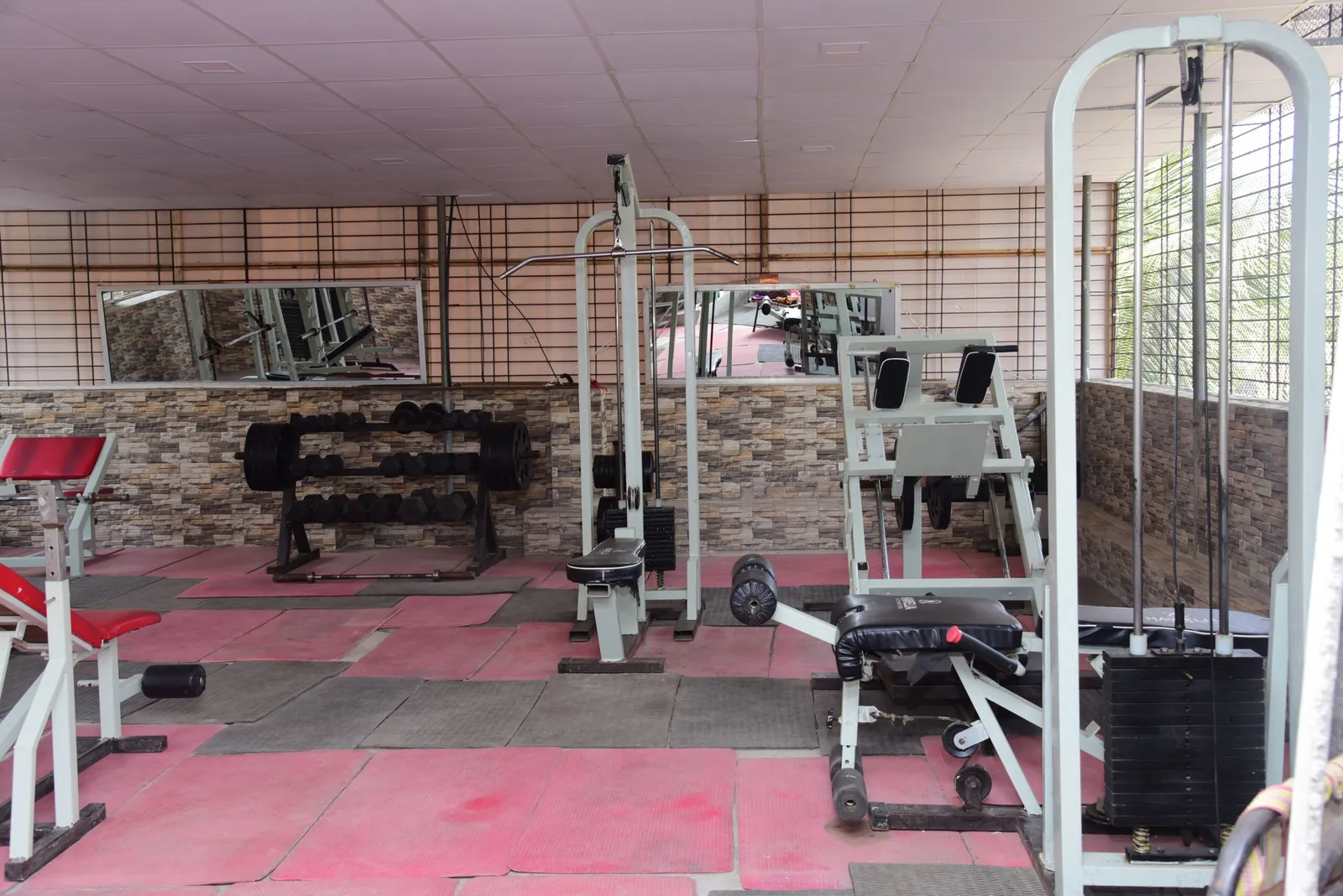
Use the residential setting productively
Regular sleep, meals, activity and counselling create a more predictable day. The aim is not to keep someone busy; it is to practise a way of living that is not organised around the addiction or the latest crisis.
Prepare for the situations that will return
Residential care eventually ends. Before discharge, the resident and family need a realistic plan for work, money, medication, relationships, high-risk situations and continuing support.
The more specific the plan, the less the family has to improvise when difficulty returns.
Recovery work and clinical care have different responsibilities
Residential rehabilitation
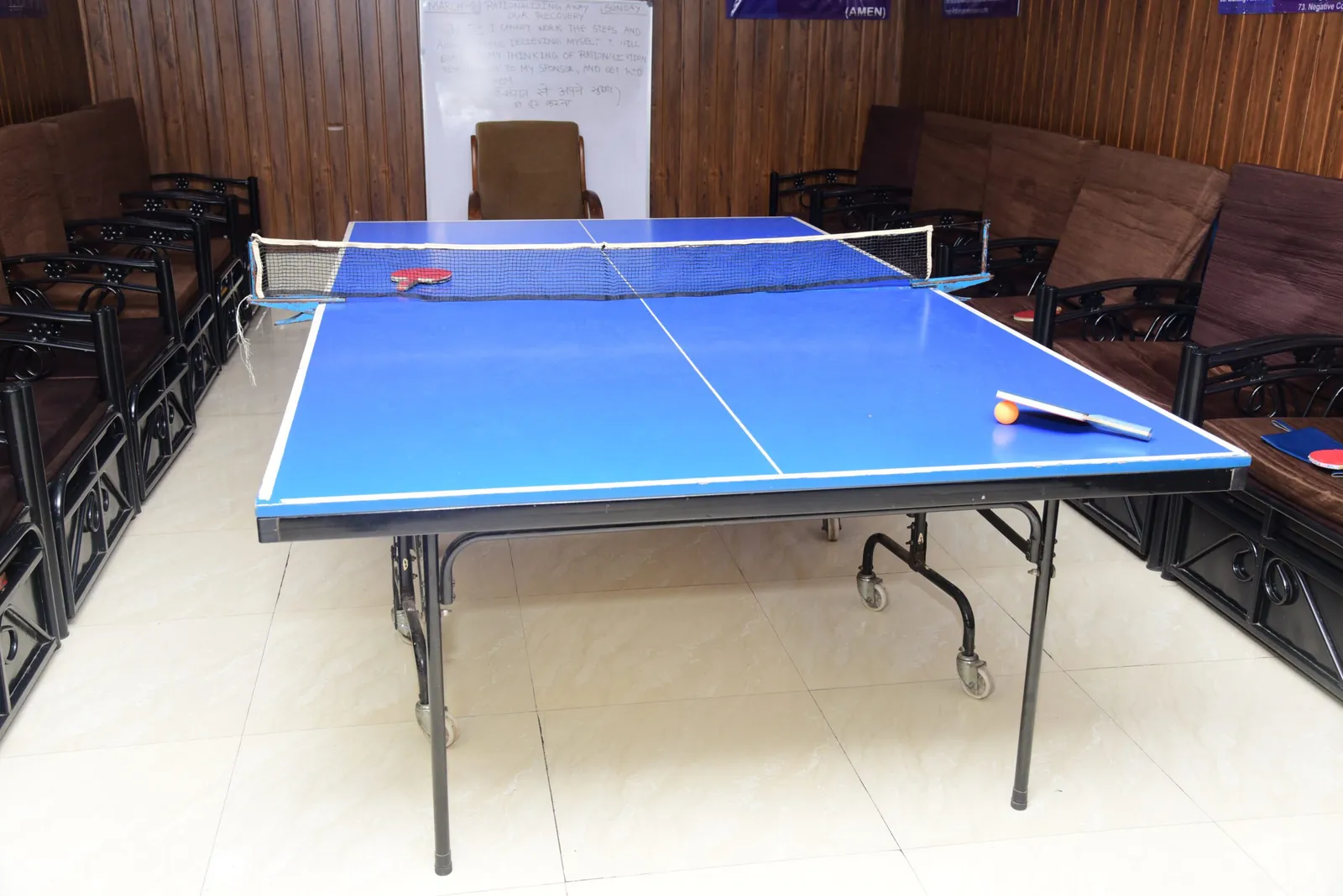
The residential programme focuses on structured daily living, counselling, behaviour change, family work, relapse prevention and planning for life after discharge. The programme should be clear about what it can manage safely and when another level of care is needed.
Medical and psychiatric input
Psychiatric symptoms, medicines, physical-health concerns and specialist medical issues require appropriately qualified professionals. Our clinical and care team includes Dr. Adita Agarwal (M.D. Psychiatrist), Dr. Manish Dodhmani (Gastroenterology), Dr. Tushar Patil (General Physician) and Ms. Priyanka Vijay Pethe (Psychiatric Social Worker).
Talk through the situation before making a decision
Tell us what has been happening and what the family is most concerned about. We can then discuss whether residential rehabilitation may be appropriate.