
Admissions & First Contact
True Humaniversity Foundation has provided residential rehabilitation and recovery support since 2011. This page explains the setting, the treatment approach and what families can expect when they enquire. Families looking for a rehab centre in Mumbai can also review our main overview of the residential programme, facilities and admission process.
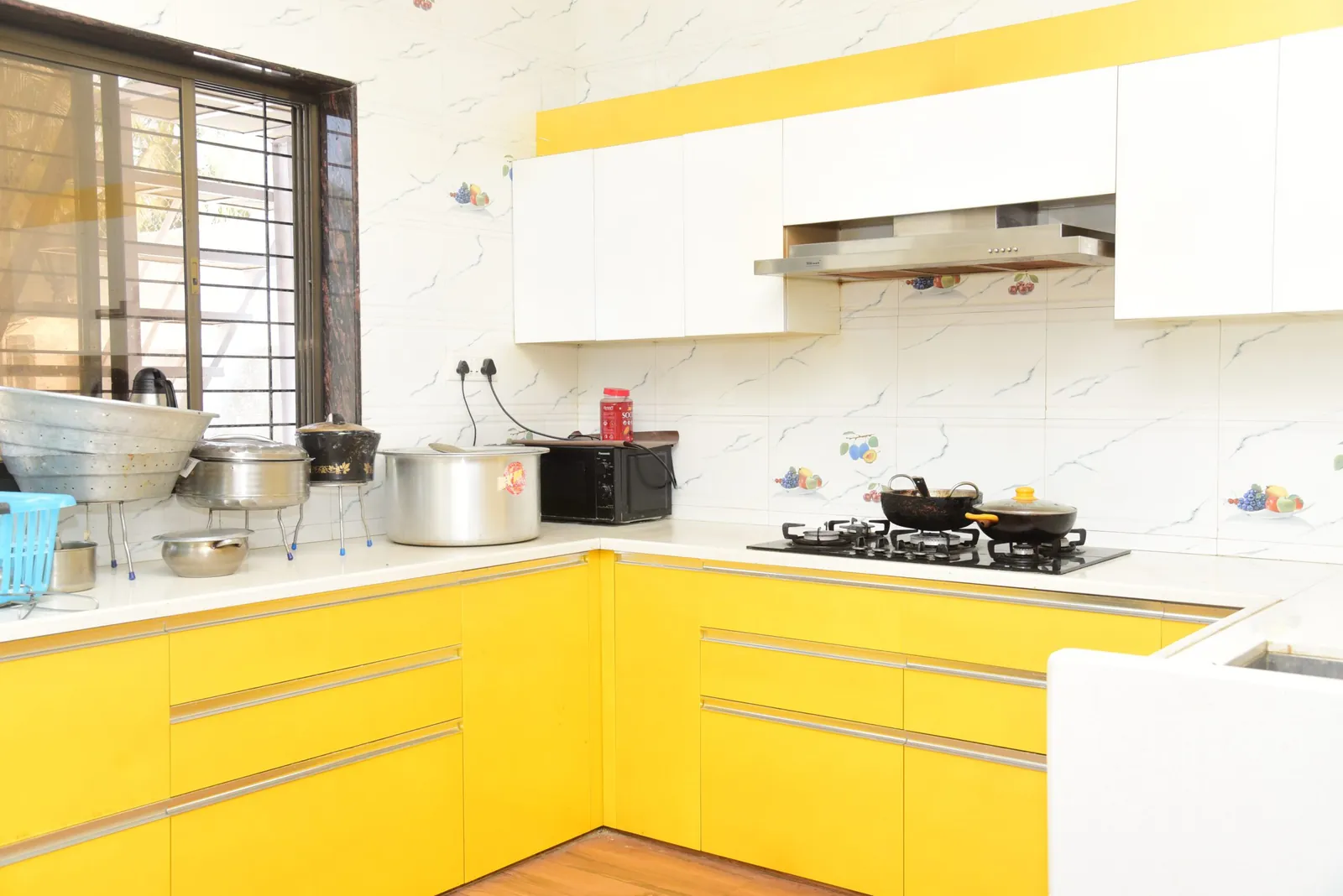
Rehabilitation admissions: what families can prepare before the first call
The first call can be simple. Tell us what has been happening, what has changed recently and what worries the family most.
Where alcohol, drugs, medicines or severe mental health symptoms are involved, accurate information about recent use, withdrawal, medication and current safety helps determine the next step.
Some people need medical or psychiatric stabilisation first
Residential rehabilitation is not an emergency department. Severe alcohol or sedative withdrawal, acute psychosis, mania, suicidal risk, dangerous behaviour or medical instability may require hospital-based care before routine rehabilitation.
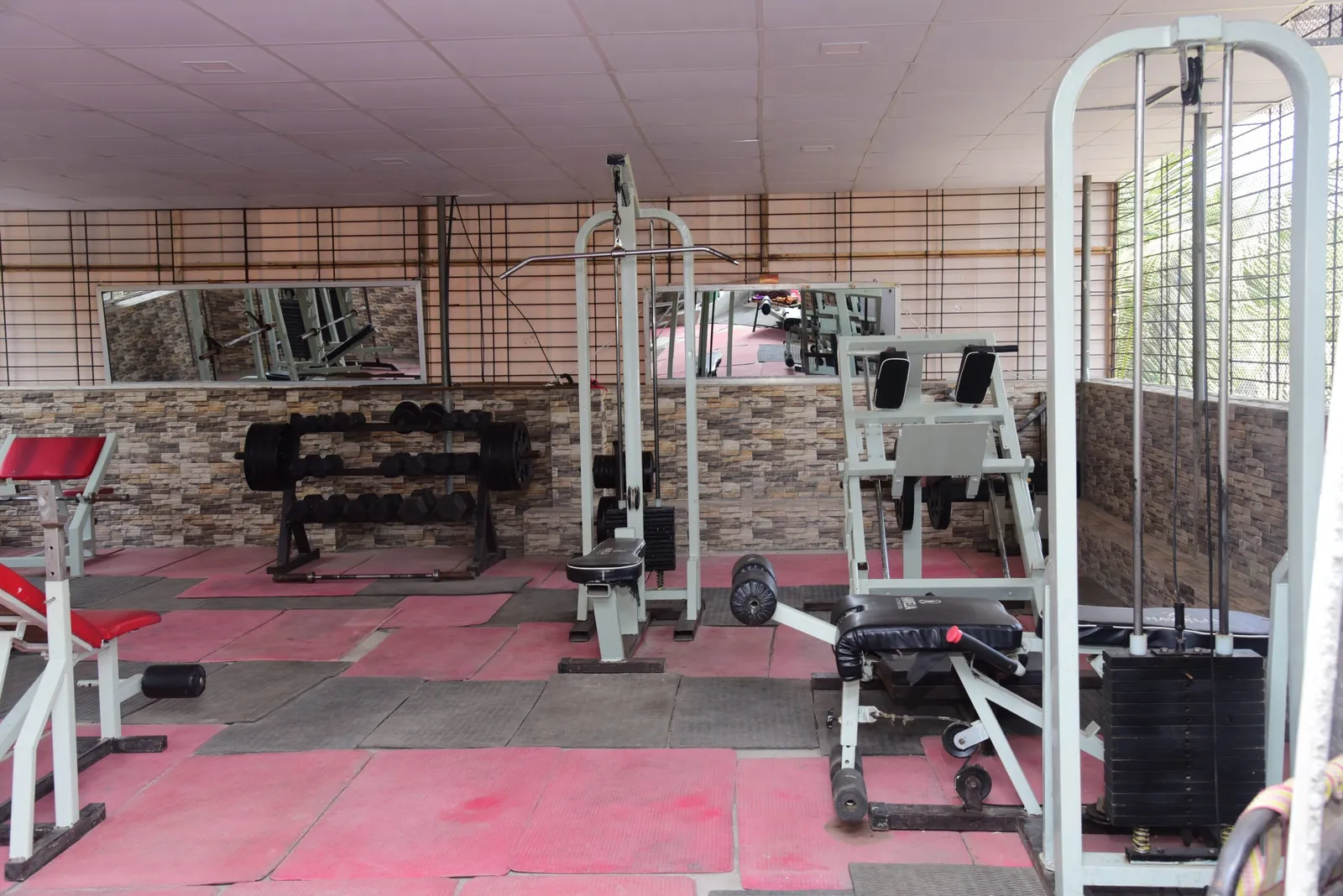
Prepare travel, belongings and family contact
Families can discuss travel, appropriate belongings, the main point of contact and responsibilities that need to be managed at home.
A planned admission is easier when practical questions are resolved before the day itself.
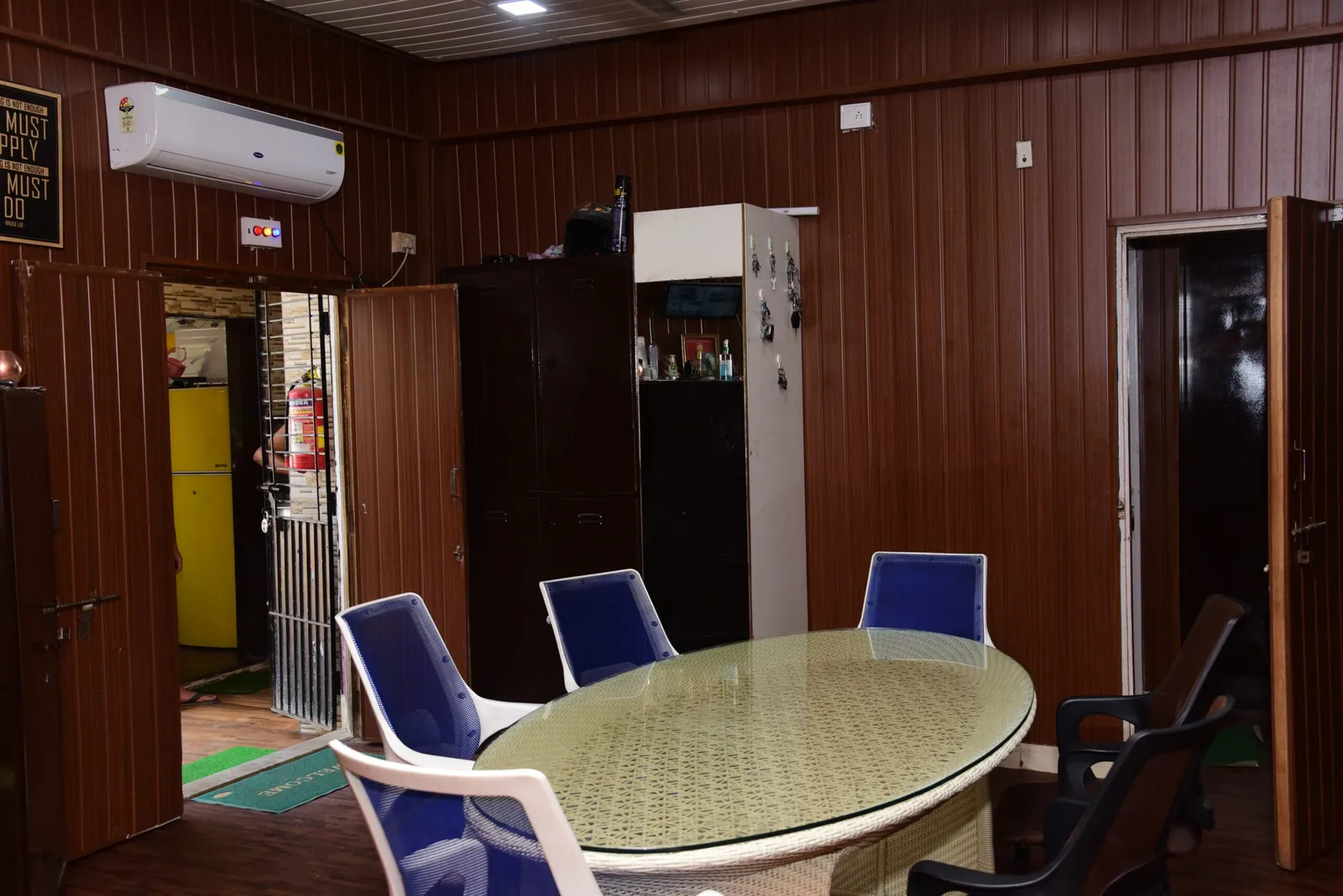
Admission is the beginning, not the result
Once admitted, the resident begins settling into the daily routine and the treatment team can understand the situation in more depth. The programme should evolve around what is learned, rather than assuming the first explanation is the whole story.
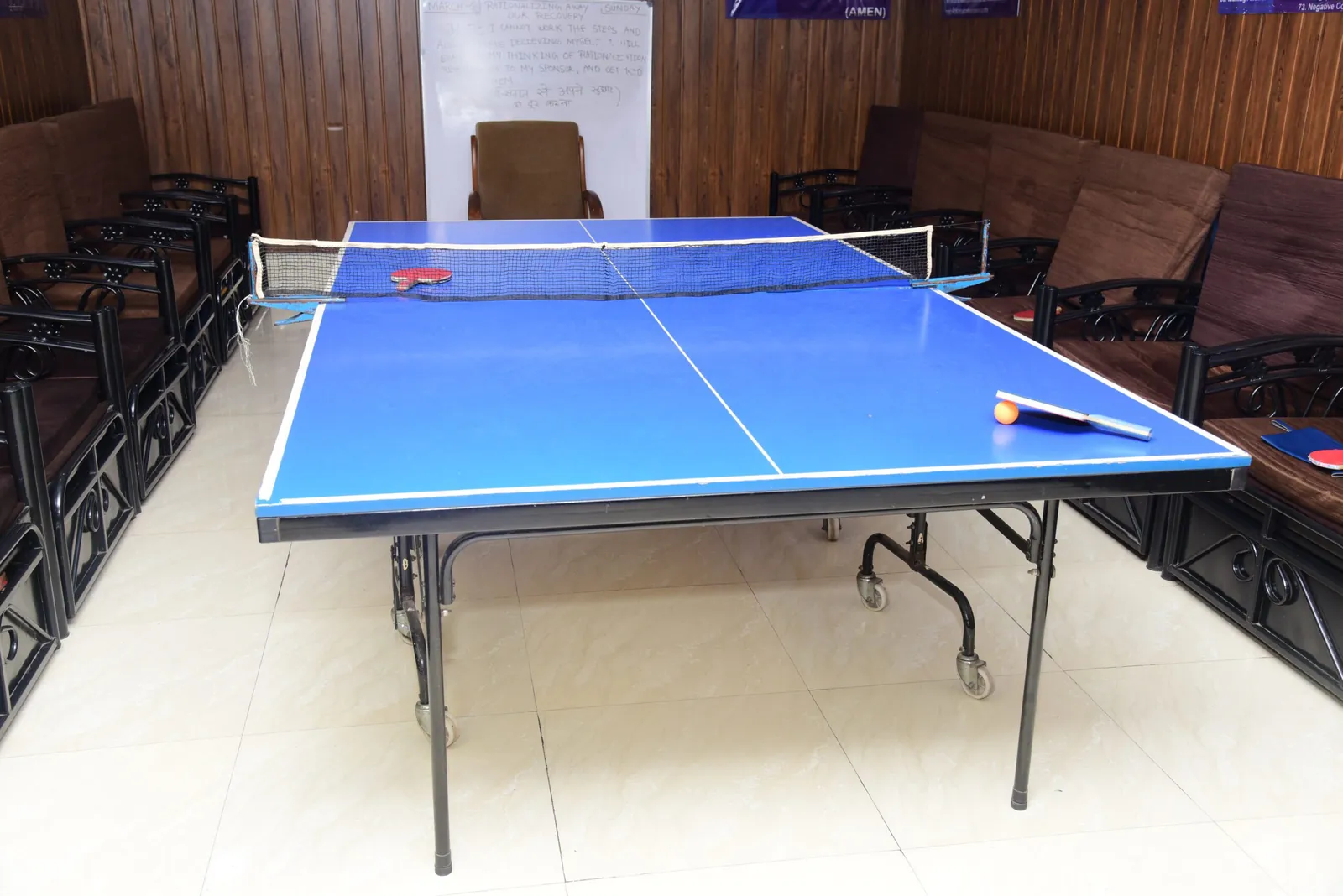
The safest first call is the one with the full story
Families do not need to arrive with a diagnosis, but they should share what is known: substances or behaviours involved, last use, prescribed medicines, previous withdrawal, seizures or overdose, recent hospital treatment, psychiatric symptoms, aggression, self-harm or suicidal thoughts, sleep disruption and previous rehabilitation.
What the team can clarify
The first conversation can help clarify whether routine residential rehabilitation appears appropriate, what records or medicines should accompany the person, and whether medical or psychiatric assessment should happen first.
When hospital assessment comes first
Overdose, severe withdrawal, seizures, reduced consciousness, severe medical instability, acute psychosis, severe mania or immediate suicide risk should not be treated as a routine rehab admission. Emergency or hospital-based care may be required first.
Talk through the situation before making a decision
Tell us what has been happening and what the family is most concerned about. We can then discuss whether residential rehabilitation may be appropriate.